
Coffee Culture
How to taste coffee without being an expert
A practical way to notice sweetness, acidity, body and intensity in your cup, without needing technical vocabulary or professional tasting tools.
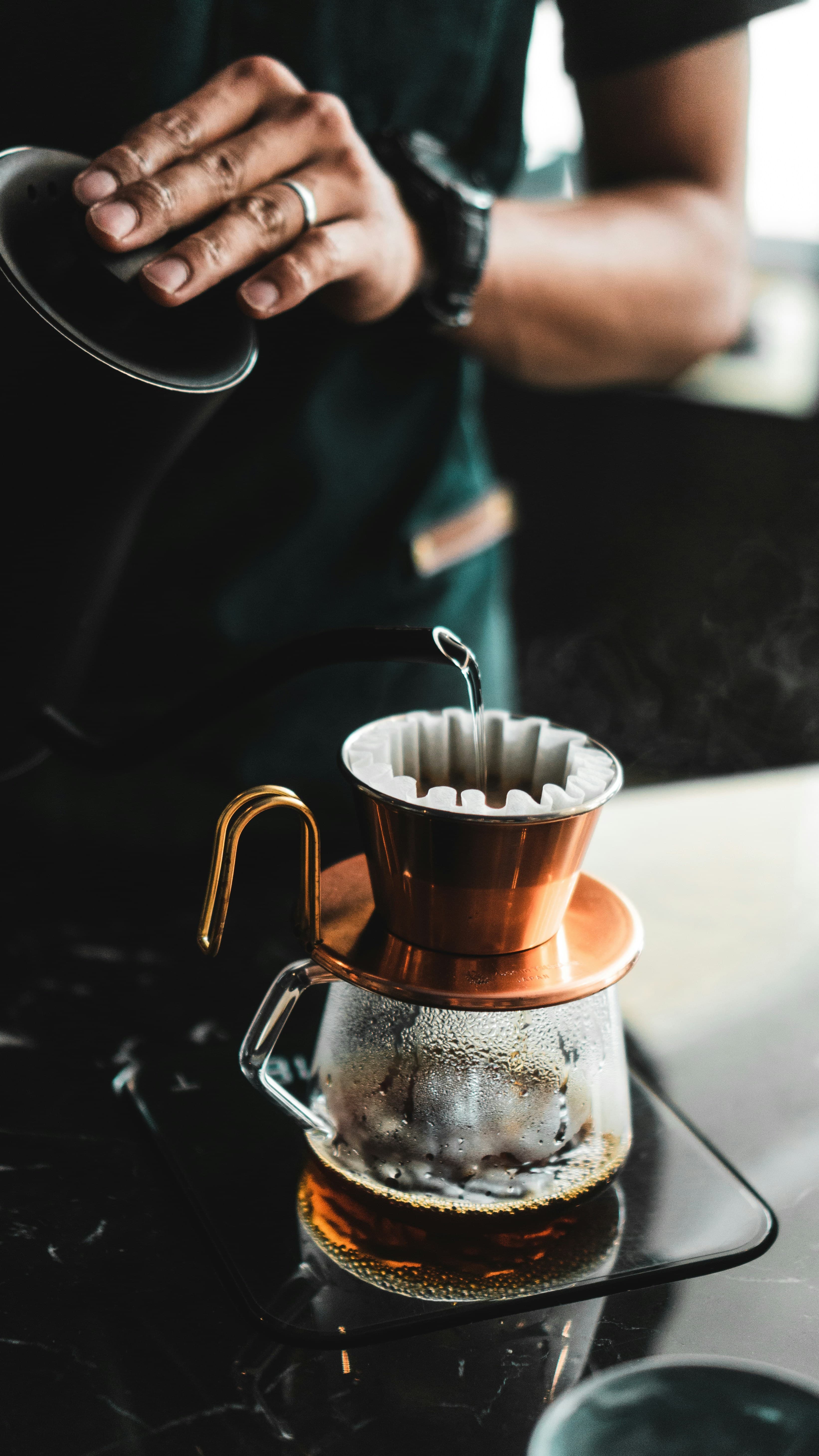
Coffee tasting can feel intimidating from the outside.
People talk about notes of jasmine, red fruit, chocolate, citrus, fermentation, terroir, roast development and extraction. If you are new to coffee, it can sound like everyone else has a secret language and you are expected to recognize flavours you have never looked for before.
But tasting coffee does not need to start there.
You do not need to be a professional. You do not need a cupping table, a flavour wheel or the right words. You only need one cup of coffee, a few minutes of attention and the permission to trust what you notice.
The goal is not to decide whether a coffee is "objectively good". The goal is simpler and more useful: to understand what kind of coffee makes sense for you.
That is also the reason Bean Luxe Compass starts from taste. Before choosing a coffee, it helps to understand how you experience coffee: soft or intense, bright or round, light or full, familiar or surprising.
This guide gives you a simple way to start.
Start with one sip before changing the cup
If you usually add sugar, milk or a plant-based drink, that is completely fine. Coffee is part of daily life, not an exam.
But if you want to understand the coffee itself, take one small sip before adding anything.
That first sip gives you a reference point. It tells you how the coffee behaves on its own: whether it feels bitter, sweet, sharp, soft, thin, heavy, clean or confusing.
After that, you can add what you normally like.
Sugar is important to understand here. It does not simply "make coffee sweet". Sugar can also amplify what is already present. In a balanced coffee, it may make sweetness, roundness and pleasant aromas more visible. In a harsh or badly roasted coffee, it can also make the wrong things louder: burnt bitterness, roughness or an unpleasant aftertaste.
So the question is not "Is sugar allowed?" Of course it is.
The better question is: what changes when you add it?
Smell before you drink
If you can, smell the coffee before it is brewed.
Freshly ground coffee often gives you the clearest aromatic impression: chocolate, nuts, fruit, flowers, spices, toast, smoke or something harder to define. You do not need to name it perfectly. Just notice what it reminds you of.
Then smell the brewed coffee before the first sip.
Do not try too hard to identify specific aromas. You do not need to say "bergamot", "hazelnut" or "stone fruit". Start with broader impressions.
Ask yourself:
- Does it smell sweet or bitter?
- Fresh or flat?
- Warm and chocolate-like?
- Fruity or floral?
- Toasty, smoky or burnt?
- Clean or heavy?
But remember one important thing: aroma is not the same as taste.
A smell can suggest an idea before you drink. For example, if a coffee has an aroma that reminds you of lemon, orange or citrus peel, many people immediately expect it to taste bright or acidic. Sometimes that expectation is confirmed. Sometimes it is not.
This happens because the brain connects aroma with previous experiences. A citrus aroma can make you expect acidity because, in real life, citrus fruits often taste acidic. But acidity itself is perceived in the mouth, not in the nose.
Coffee does not always work in a direct way.
A coffee can have a citrus-like aroma and still taste balanced. It can remind you of orange on the nose, but feel sweet and round in the mouth. It can suggest lemon zest aromatically, but show only gentle brightness when tasted.
So use aroma as a clue, not as a conclusion.
First smell. Then taste. Then ask whether the cup confirms what the aroma suggested.
This is already useful. Coffee tasting begins with attention, not vocabulary.
Taste it hot, then taste it again as it cools
Coffee changes with temperature.
When it is very hot, bitterness and intensity may dominate. As it cools slightly, sweetness, acidity and aroma often become easier to notice. A coffee that feels harsh when boiling hot may become more balanced after a minute. Another coffee may start pleasant and then reveal bitterness as it cools.
Try this:
- Take one sip while it is hot.
- Wait one or two minutes.
- Take another sip.
- Then taste it once more when it is warm, not hot.
You are not looking for a perfect answer. You are looking for change.
Ask:
- Did it become sweeter?
- Did it become sharper?
- Did it become more bitter?
- Did the flavour become clearer or flatter?
This simple habit teaches you more than trying to force tasting notes.
Notice sweetness
Sweetness in coffee does not always mean sugary.
A coffee can feel sweet because it reminds you of caramel, ripe fruit, milk chocolate, honey, dried fruit or simply softness. Sometimes sweetness is not a flavour but a sensation: the coffee feels pleasant, rounded and easy to drink.
Ask yourself:
- Does this coffee feel naturally pleasant?
- Does it remind me of chocolate, fruit or caramel?
- Does the bitterness feel balanced?
- Would I enjoy this without adding sugar?
Sweetness is one of the easiest ways to understand why some coffees feel comfortable and others feel aggressive.
Notice acidity without fearing it
Many people hear the word "acidity" and think it means something negative.
In coffee, acidity does not necessarily mean sourness. It can mean brightness, freshness or liveliness. Think of the difference between flat water and sparkling water, or between a ripe apple and a very sweet biscuit. Acidity can make coffee feel more expressive.
But acidity should be tasted, not assumed.
This is especially important when a coffee has aromas that remind you of citrus. Lemon, orange, grapefruit or bergamot notes can make the mind expect acidity before the coffee even reaches the mouth. That expectation can influence how you describe the cup.
A useful way to slow down is to separate three questions:
- What do I smell?
- What do I taste?
- What do I feel in my mouth?
For example:
"I smell something like orange. When I taste it, the coffee feels sweet and rounded. The freshness is present, but it is not sharp."
That is different from saying:
"It smells citrusy, so it is acidic."
Both aroma and taste matter, but they are not the same signal.
Some people love bright, citrus-like coffees. Others prefer rounder, softer cups. Both preferences are valid.
Ask:
- Does the coffee feel bright or soft?
- Does it remind me of fruit?
- Is the freshness pleasant?
- Or does it feel sharp, sour or uncomfortable?
You are not trying to like acidity. You are trying to understand how much brightness you enjoy.
Notice body
Body is the physical feeling of coffee in your mouth.
Some coffees feel light, almost tea-like. Others feel creamy, dense or full. Espresso, moka and darker roasts often feel heavier, but body does not depend only on brewing method. The coffee itself, roast level and preparation all matter.
Ask:
- Does this coffee feel light or full?
- Is it watery, silky, creamy or heavy?
- Does it disappear quickly or stay on the palate?
Body is useful because many people do not choose coffee only by flavour. They choose by sensation. Some want something clean and light. Others want something round, dense and comforting.
Notice intensity
Intensity is not the same as quality.
A coffee can be intense and unpleasant. It can also be delicate and excellent. Many people confuse "strong" with "good", especially if they are used to bitter or dark-roasted coffee.
Instead of asking whether the coffee is strong enough, ask:
- Is the intensity pleasant?
- Does it feel balanced?
- Is it powerful but clean?
- Or is it loud, bitter and tiring?
This distinction matters. Compass does not treat intensity as a ranking. It treats it as a preference.
Some people want a gentle coffee. Some want a bold coffee. Some want intensity only when it is balanced by sweetness or body.
Notice the aftertaste
Aftertaste is what remains after you swallow.
It can be short or long, clean or dry, sweet or bitter, pleasant or unpleasant. Sometimes the aftertaste tells you more than the first sip.
Ask:
- What stays in my mouth?
- Is it sweet, dry, bitter, smoky, fruity or clean?
- Do I want another sip?
That last question is often the most honest one.
If a coffee makes you want to return to the cup, something is working.
Compare two coffees if you can
The easiest way to taste better is not to taste one coffee in isolation. It is to compare two coffees side by side.
They do not need to be expensive or rare. They only need to be different enough.
For example:
- one lighter roast and one darker roast
- one espresso and one filter coffee
- one coffee you already know and one new coffee
- one coffee with milk and one without
When you compare, your brain notices contrast.
You may not know exactly what "body" means in theory, but if one coffee feels light and the other feels dense, you understand it immediately. You may not be able to define acidity perfectly, but if one coffee feels soft and the other feels bright, the idea becomes real.
Comparison turns abstract words into experience.
Write one simple note
Do not write a professional tasting sheet.
Write one sentence.
Something like:
- Soft, chocolate-like, easy to drink.
- Bright and fruity, but a little too sharp for me.
- Full body, strong bitterness, good with milk.
- Light, clean and delicate.
- Sweet at first, dry at the end.
- Smells like citrus, tastes round and sweet.
If the aroma and the taste tell different stories, write both. "Smells like citrus, tastes round and sweet" is a better note than forcing everything into one word.
This is enough.
Over time, these small notes reveal patterns. You may discover that you like coffees with medium body and low bitterness. Or that you enjoy brightness only when there is enough sweetness. Or that you prefer familiar flavours in the morning and more expressive coffees when you have time to pay attention.
This is exactly the kind of personal language that makes choosing coffee easier.
There is no right answer
The most important thing to remember is this: tasting coffee is not about proving expertise.
It is not about guessing the official tasting notes. It is not about saying what a professional would say. It is not about forcing yourself to enjoy a coffee because it is rare, expensive or highly rated.
A coffee can be well made and still not be right for you.
Your taste matters.
The more clearly you can describe what you enjoy, the easier it becomes to choose coffees that fit your preferences - and to understand why some coffees do not.
That is the bridge between tasting and choice.
Bean Luxe Compass was built around this idea: before recommending a coffee, start with the person drinking it.
Next time you drink coffee, do not ask only whether it is good or bad.
Ask what it makes you notice.