
Taste Guidance
How to choose coffee that matches your taste
Choosing coffee becomes easier when you stop starting from what is "best" and begin with what you actually enjoy in the cup.
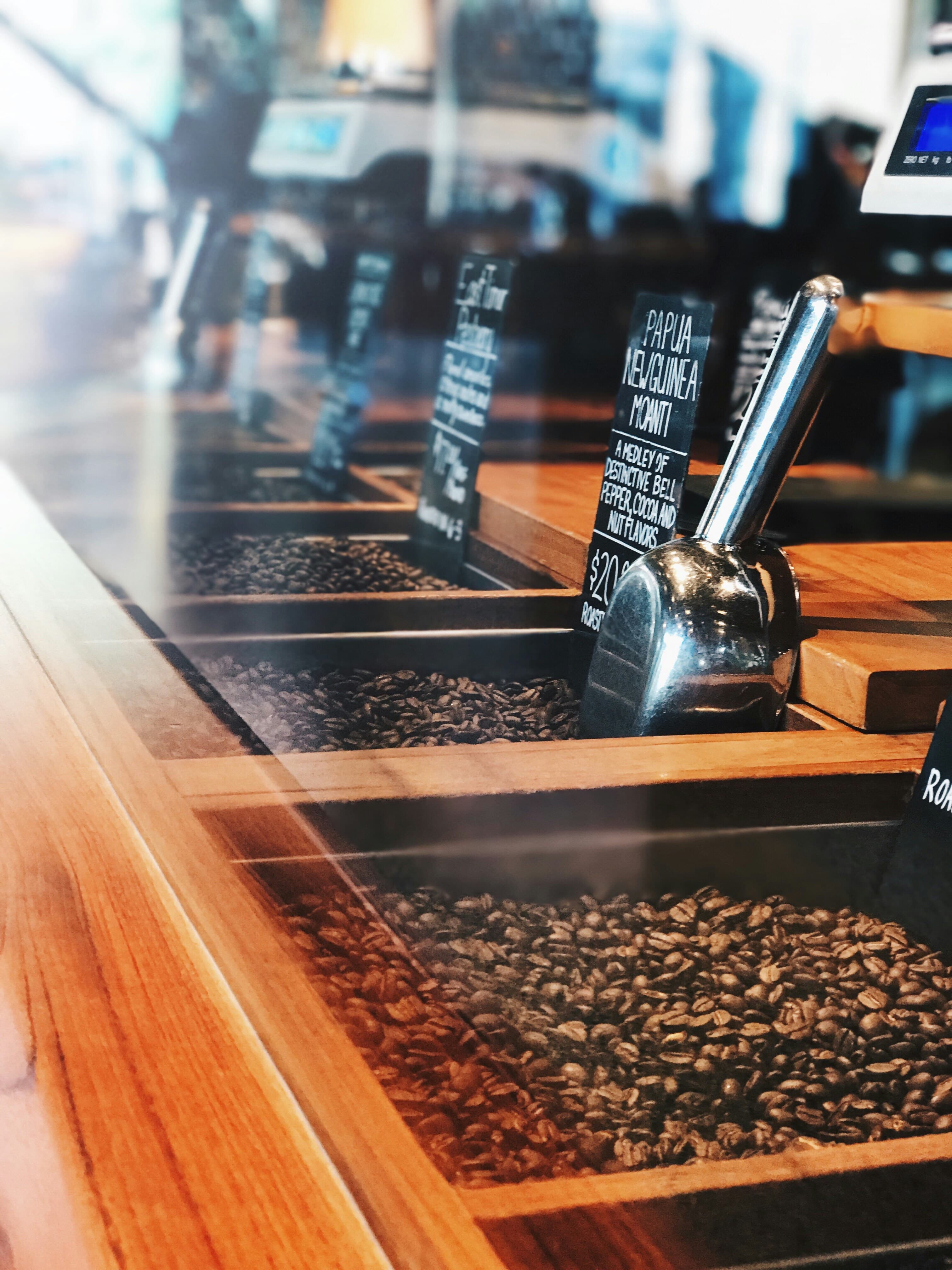
Choosing coffee should be simple.
But often it is not.
A bag of coffee can give you a lot of information: origin, variety, altitude, process, roast level, tasting notes, score, brewing method, farm name, producer name, certifications, harvest year. All of this can be useful. All of it can tell part of the story.
But if you are not already familiar with coffee, it can also feel like too much.
You may find yourself asking the same questions again and again:
- Is this coffee good?
- Is it strong enough?
- Is it too acidic?
- Is it better for espresso or filter?
- Will I like it with milk?
- Does a higher price mean I will enjoy it more?
- Should I choose the coffee with the most interesting description?
These are normal questions.
But there is a better place to start.
Not from the bag.
Not from the score.
Not from what someone else says is the "best" coffee.
Start from your taste.
Because the most useful question is not: is this coffee good?
The more useful question is: does this coffee make sense for me?
That is the idea behind Bean Luxe Compass. Before pointing you toward a coffee, Compass starts with how you like coffee to feel: soft or bright, light or full, familiar or surprising, gentle or intense.
Choosing coffee becomes easier when you stop guessing from the outside and begin with what you actually want in the cup.
Start from experience, not prestige
Coffee can be prestigious.
A rare origin, a famous producer, a high score, an experimental process or an expensive bag can all be meaningful. They can indicate care, quality, scarcity or complexity.
But prestige is not the same as personal enjoyment.
A coffee can be rare and still not be right for you.
A coffee can be expensive and still feel too sharp, too light or too unusual for your habits.
A coffee can be simple and still be exactly what you want every morning.
This does not mean that origin, process or price do not matter. They do. But they are not always the best first step for choosing.
Origin tells you where the coffee comes from.
Process tells you something about how it was transformed.
Roast level gives you a clue about what may be more visible in the cup.
Tasting notes suggest an aromatic direction.
But taste tells you whether the coffee makes sense for you.
That is why choosing coffee should begin with a simple question: what kind of experience am I looking for?
Decide what you want from the cup
Before choosing a coffee, pause for a moment.
- Do you want something comforting?
- Something bright?
- Something intense?
- Something delicate?
- Something familiar?
- Something surprising?
These are not technical categories. They are human ones.
If you want comfort, you may prefer a coffee with sweetness, medium or full body, low sharpness and familiar aromas such as chocolate, caramel, nuts or pastry.
If you want discovery, you may enjoy brightness, aromatic clarity, fruit, flowers, freshness or a lighter body.
If you want intensity, you may look for body, long aftertaste, deeper aromas, concentration and a cup that feels powerful without becoming harsh.
If you want daily drinkability, you may prefer balance: enough sweetness, moderate acidity, comfortable body and no unpleasant roughness.
None of these choices is more advanced than the others.
A person who enjoys a soft, round coffee is not "less expert" than someone who enjoys a very bright and complex one. They are simply looking for a different experience.
The mistake is not having a preference.
The mistake is choosing without knowing what your preference is.
Use sweetness, acidity, body and intensity as a map
Once you know what kind of experience you want, the language becomes easier.
You do not need to understand every detail on the bag. Start with four signals:
Sweetness tells you whether the coffee may feel pleasant, round and balanced.
Acidity tells you whether it may feel bright, fresh or lively.
Body tells you how light, silky, creamy or full it may feel in the mouth.
Intensity tells you how powerful the overall cup may feel.
These are not scores. They are directions.
- A coffee with high acidity and light body may feel fresh, delicate and expressive.
- A coffee with medium acidity, clear sweetness and medium body may feel balanced and easy to enjoy.
- A coffee with full body, low perceived acidity and darker aromas may feel comforting, dense and familiar.
- A coffee with high intensity but little sweetness may feel loud, bitter or tiring.
This is why a coffee cannot be chosen well from one word alone.
"Strong" is not enough.
"Fruity" is not enough.
"Dark" is not enough.
"Specialty" is not enough.
The better question is how those signals work together.
Compass was designed around this idea. It does not ask you to decode coffee like a professional buyer. It helps translate your preferences into a taste profile, so choosing becomes less random.
Match the coffee to the way you brew
The same coffee can feel different depending on how you prepare it.
This is why brewing method matters.
Espresso concentrates everything. It makes body, intensity, bitterness, acidity and extraction mistakes more immediate. A coffee that tastes balanced as filter may feel very sharp as espresso. A coffee that feels sweet and round in espresso may be too heavy as filter.
Moka often emphasizes body, roast and bitterness. It can produce a comforting, dense cup, but if the coffee is too dark, too fine or pushed too far with heat, roughness and burnt notes can become more evident.
Filter coffee usually makes aroma, clarity and acidity easier to perceive. It can be a good method for coffees with floral, fruity or delicate characteristics. But it can also reveal imbalance: if a coffee lacks sweetness or body, filter may make it feel thin.
AeroPress is flexible. Depending on recipe, grind and time, it can move closer to body or clarity. It can be useful if you want to explore taste without committing to only one style.
Milk drinks change the balance again. Milk softens acidity, adds sweetness and texture, and works especially well with coffees that have enough body and structure. Coffees with chocolate, caramel, nutty or deeper fruit impressions often perform well with milk. Very delicate coffees can sometimes disappear.
So instead of asking only: is this coffee good?
ask: is this coffee good for the way I want to drink it?
That one question can prevent many disappointing choices.
Think about milk, sugar and daily habits
Coffee is not separate from your habits.
If you drink espresso quickly in the morning, your ideal coffee may be different from the one you would choose for a slow weekend filter brew. If you drink coffee with milk every day, you need a coffee that can still be present after milk is added. If you add sugar, you need to understand what sugar is amplifying.
There is no need to judge these habits.
But they matter.
If you drink coffee with milk, look for enough body, sweetness and aromatic depth. A coffee that feels beautiful and delicate when black may become too quiet with milk.
If you add sugar, remember that sugar does not only add sweetness. It can also make what is already in the cup more visible. In a balanced coffee, sugar can emphasize roundness and comfort. In a harsh or burnt coffee, it can also make bitterness, roughness or unpleasant aftertaste feel heavier.
If you drink coffee several times a day, you may want something balanced and repeatable, not always the most complex or surprising option.
If coffee is a moment of discovery for you, you may want the opposite: brightness, unusual aromas, expressive acidity or a lighter body.
Your context is part of your taste.
A good choice is not abstract. It belongs to your real life.
Read the bag, but do not get lost in it
Coffee bags can be helpful, but they can also be confusing.
Here is what to look for first.
Roast level gives you a clue about the cup. Lighter roasts often show more brightness and delicate aromas. Medium roasts often support balance and sweetness. Darker roasts often emphasize body, depth and roast notes.
Recommended brewing method can help you avoid mismatch. If a coffee is roasted and profiled for filter, it may not be easy to use as espresso. If it is designed for espresso, it may feel heavier or less delicate as filter.
Tasting notes are clues, not promises. If a bag says "jasmine, peach and honey", it does not mean the coffee will taste like peach juice. It means the aroma and flavour may remind the roaster of those references. You may perceive them differently.
Origin tells you where the coffee comes from, but it does not tell the whole story. Two coffees from the same country can taste completely different.
Process can influence the cup. Washed coffees often feel cleaner and more transparent. Natural coffees may feel fruitier, heavier or more aromatic. Honey or experimental processes can sit somewhere in between or create more unusual profiles. But process is not a guarantee. The final cup depends on the coffee, the roast and the brewing.
Freshness matters. Fresh does not always mean "roasted yesterday". Very fresh coffee can still be unstable, especially for espresso, because it may release too much gas. Too old, however, can lose aroma, sweetness and liveliness. As a simple rule, look for a roast date and avoid coffee that gives no freshness information at all.
Whole bean or ground also matters. Whole bean preserves aroma longer. Pre-ground coffee is convenient, but it loses aromatics faster and should match your brewing method as closely as possible.
The bag gives you clues.
Your taste gives those clues meaning.
Be careful with price and rarity
Price can reflect many things: quality, scarcity, producer payment, lot size, logistics, certification, processing, brand positioning or simply market dynamics.
A higher price can sometimes indicate a special coffee. But it does not guarantee that you will enjoy it more.
A very bright, rare and complex coffee may be exciting for someone who loves discovery and clarity. For someone looking for a soft, chocolate-like espresso, it may feel too sharp or too unfamiliar.
This does not make the coffee bad.
It means the match is wrong.
The same is true in the opposite direction. A less expensive coffee may be less complex, but still more appropriate for a daily moka, cappuccino or office brew if it matches the drinker's habits.
Choosing well does not mean always choosing the most expensive coffee.
It means understanding what value means for you: comfort, complexity, ethics, origin, consistency, discovery, ritual, or a combination of these.
That is why Bean Luxe is careful with the idea of "best".
- Best for whom?
- Best for which method?
- Best for which moment?
- Best for which taste?
These questions matter.
Common mistakes when choosing coffee
Most wrong choices come from shortcuts.
One shortcut is choosing only by intensity. If you ask only for "strong coffee", you may receive something bitter, dark or heavy when what you actually wanted was body, sweetness or concentration.
Another shortcut is thinking that dark means more caffeine. Darker coffee often tastes stronger, but stronger flavour does not automatically mean more caffeine.
Another is thinking acidity is always bad. Pleasant acidity can bring freshness and life. Unpleasant acidity is sharp, sour or unbalanced. They are not the same thing.
Another mistake is choosing a coffee only because the origin sounds interesting. Origin matters, but your taste still matters more.
Another is ignoring brewing method. A coffee that shines in filter may not work the same way in moka or espresso.
Another is confusing bitterness with body. Body is texture. Bitterness is taste. A coffee can be full-bodied and sweet, or bitter and thin.
And another is confusing roastiness with quality. Deep roast aromas can be pleasant when balanced. Burnt, ashy or rubber-like notes are not the same as depth.
A better choice begins when you replace shortcuts with questions.
- What do I want to feel?
- How will I brew it?
- Do I want comfort or discovery?
- Do I want brightness or softness?
- Do I want intensity or balance?
These questions are much more useful than simply asking for "a good coffee".
Compare instead of guessing
If you are still unsure, comparison is the fastest teacher.
Try two coffees side by side.
- One lighter, one darker.
- One washed, one natural.
- One espresso roast, one filter roast.
- One coffee you know, one coffee you have never tried.
- One black, one with milk.
You do not need to identify every note. Just ask what changes.
- Which one feels sweeter?
- Which one feels brighter?
- Which one feels fuller?
- Which one feels more bitter?
- Which one makes you want another sip?
Over time, your preferences become clearer.
You may discover that you enjoy fruitiness only when there is enough sweetness. Or that you like full body but not burnt bitterness. Or that you prefer low acidity in espresso but enjoy brightness in filter coffee.
This is how taste becomes personal knowledge.
Not theory first. Experience first.
Why Compass starts from you
Most coffee recommendations begin with the coffee.
- Origin.
- Roast.
- Process.
- Score.
- Tasting notes.
- Brewing method.
These details matter, but they can be difficult to interpret if you do not already know your taste.
Compass reverses the starting point.
It begins with the person drinking the coffee.
It asks what kind of cup feels good to you. It looks at sweetness, acidity, body, intensity, discovery and comfort. It translates your answers into a taste profile, then uses that profile to make coffee easier to understand.
The goal is not to tell you what you should like.
The goal is to help you recognize what you already enjoy - and to give you a clearer way to explore from there.
Because choosing coffee should not feel like decoding a technical label.
It should feel like learning your own taste.
Start with your taste
There will always be more to learn about coffee.
Origin, processing, roasting, brewing, sensory analysis, sustainability, producer relationships - all of these matter. They are part of coffee culture.
But the first step does not need to be complicated.
Start with the cup.
- Do you want it soft or bright?
- Light or full?
- Familiar or surprising?
- Gentle or intense?
- For espresso, moka, filter or milk?
Once you answer those questions, the rest of the information becomes more useful.
You can read the bag with more confidence.
You can ask better questions.
You can understand why a coffee works for you, or why it does not.
You can explore without feeling lost.
Choosing coffee is not about finding the single best coffee.
It is about finding the coffee that matches your taste.
And that is exactly where Compass begins.